Tree pruning in Dalston

Professional tree care for Dalston homes, gardens, and businesses
If you are looking for tree pruning in Dalston, you are probably dealing with a tree that has grown a little too far, is blocking light, looks untidy, or needs careful attention for safety. In a dense and varied part of East London like Dalston, tree work is rarely just about appearance. It often affects light into flats and gardens, access along narrow roads, shared boundaries, neighbours’ views, and the long-term health of the tree itself. A well-planned pruning service can make a real difference to how a property feels and functions.
Dalston has a mix of period terraces, converted buildings, newer apartment developments, small commercial premises, back gardens, front forecourts, and communal outdoor spaces. Each setting brings different needs. A tree near a basement flat may need light management, while a mature tree in a rear garden may need crown reduction or deadwood removal to keep it safe and manageable. For landlords, residents’ associations, shops, cafes, and office spaces, proper pruning also helps keep outdoor areas neat and usable without putting the tree under unnecessary stress.
Choosing a local team for tree pruning Dalston means working with people who understand the practical realities of the area: limited parking, tight access, shared gardens, proximity to neighbouring properties, and the need to keep disruption to a minimum. Whether you need routine maintenance or a more specific intervention, the aim should always be to balance safety, tree health, and the look of the space around it.
Why pruning matters more in an area like Dalston
In a built-up neighbourhood, trees do a lot of work. They soften streets, improve privacy, provide shade, and make gardens and courtyards more pleasant. But without regular attention, they can also become too heavy, too dense, or too close to structures. Overgrown branches may brush against roofs, obscure windows, interfere with access paths, or become a concern during windy weather. This is where tree pruning services become especially valuable.
Pruning is not simply cutting back a tree because it has become large. Done properly, it is a considered process that removes specific branches to improve structure, reduce risk, and encourage healthy growth. In the right hands, it can help a tree live longer and remain attractive, rather than forcing it into a harsh or unnatural shape. Good pruning also helps avoid problems later, which is particularly useful where access for larger equipment may be limited.
For Dalston residents and businesses, the benefits can include more natural light, better visibility, improved kerb appeal, and a safer environment for people using the property. It can also reduce the chance of conflicts with neighbours when branches cross boundaries or drop leaves, twigs, or fruit into adjacent areas. If you are unsure whether your tree needs pruning, a local inspection is often the best first step.
What tree pruning can include
Different pruning methods for different needs
Not every tree needs the same type of attention. The right approach depends on the species, the condition of the tree, the time of year, and your goals for the space. A reliable tree surgeon will look at the whole picture before deciding how much to remove and where.
- Crown thinning – selective removal of smaller branches to let more light and air through the canopy.
- Crown reduction – carefully reducing the overall size of the crown while maintaining the tree’s natural form.
- Deadwood removal – taking away dead, dying, or broken branches that could fall or make the tree look neglected.
- Crown lifting – removing lower branches to improve clearance for pedestrians, vehicles, or garden use.
- Formative pruning – shaping younger trees so they grow well and develop a stable structure.
- Pollarding – a specific method used for some species and settings, where repeated pruning controls size and regrowth.
Each method has a purpose, and using the wrong one can lead to poor growth, stress, or unnecessary risk. That is why local knowledge and experience matter. A tree in a compact Dalston courtyard may need a very different plan from a tree on a wider roadside verge or in the grounds of a commercial property.
Signs your tree may need attention
Many customers start by noticing one obvious issue, such as a branch hanging low over a path or leaves shading a living room too heavily. But other signs can be subtler. A tree may have an unbalanced shape, dense inner growth, dead branches, or limbs that seem to be crowding one side. In some cases, the tree may simply have outgrown the space available.
You may want to arrange a pruning service if the tree is:
blocking daylight into rooms or gardens,
touching roofs, gutters, fences, or walls,
creating clearance issues over driveways or walkways,
showing broken, rubbing, or dead branches,
or growing close to neighbouring properties and boundaries.
It is also worth acting before a small problem becomes a larger one. Regular tree pruning in Dalston can be more manageable and less disruptive than waiting until a tree becomes overextended. A careful schedule of maintenance is often better for both the property owner and the tree.
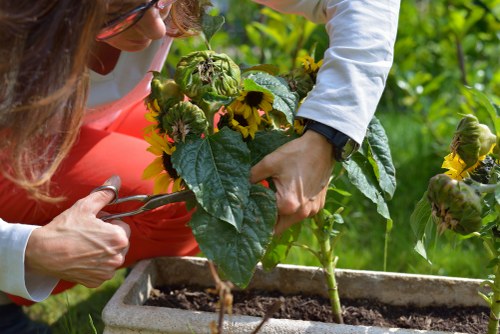
How a local tree pruning service usually works
A practical process from enquiry to tidy finish
Most customers want a straightforward experience: someone visits, explains what needs to happen, completes the work safely, and leaves the area tidy. A dependable local service should make the process clear from the start and avoid unnecessary complications.
In practice, the service often begins with an assessment of the tree and the space around it. This includes checking access, surrounding structures, nearby footpaths, and any obstacles such as parked cars, narrow side passages, garden sheds, or overhead lines. The team then discusses the best pruning option for your needs and the condition of the tree.
Once the work is agreed, the pruning is carried out using the right tools and methods for the job. Branches are removed with care, cuts are made in a way that supports healthy regrowth, and the site is cleared afterwards. Many customers in Dalston appreciate a service that works cleanly and efficiently, especially where there may be shared entrances, communal gardens, or limited outdoor storage space for cuttings.
Why local knowledge matters in Dalston
Tree pruning in a busy East London neighbourhood can be more complicated than pruning in an open suburban setting. Dalston’s streets often involve tight access, resident permit parking, shared mews-style spaces, and a steady flow of pedestrians and vehicles. A local company is more likely to understand how to plan around these conditions without causing avoidable disruption.
That local familiarity can make a practical difference. For example, some properties may have rear access only through narrow passages. Others may need work timed carefully to avoid blocking communal entrances, deliveries, or the day-to-day use of a business. A local team can also be more responsive when a tree has become urgent after storms or sudden branch failure, which is helpful when you need action rather than a long wait.
Dalston also has a varied property mix. The pruning needs of a Victorian terrace garden are different from those of a block courtyard or a shopfront tree. The right provider will understand how to adapt to the site, manage waste removal sensibly, and keep the property presentable throughout the process. That practical flexibility is often what customers value most.
Tree pruning for residential properties
Gardens, front spaces, and shared outdoor areas
Homeowners and tenants often contact us when a tree becomes too large for a small garden or starts affecting the comfort of the home. In Dalston, many outdoor spaces are compact, overlooked, or shared. That means a tree can influence privacy, sunlight, and the usability of a patio or lawn much more than it would in a larger plot.
Residential tree pruning may be needed to open up a garden, reduce the risk of branches overhanging a neighbour’s property, or improve the appearance of a tired-looking tree. It can also help with maintenance around sheds, conservatories, extensions, rooflines, and boundary fences. If your tree is becoming difficult to live with but you still want to keep it, careful pruning is often the best answer.
Typical residential benefits include:
- more daylight into rooms and outdoor spaces
- better clearance around paths, lawns, and seating areas
- a tidier and more balanced tree shape
- reduced risk from dead or overextended branches
- improved relationships with neighbouring properties

Tree pruning for landlords, landlords’ agents, and commercial premises
Commercial customers in Dalston often need tree work for practical reasons as much as visual ones. A shopfront tree, office courtyard planting, or business entrance area can quickly look unkempt if growth is left unchecked. Pruning helps keep premises presentable, accessible, and more welcoming to customers, staff, and visitors.
For landlords and managing agents, regular pruning can also support good property management. Trees that are too large or poorly structured can cause complaints from tenants, reduce light into flats, and create maintenance problems around gutters, paving, and shared access routes. A sensible pruning plan can prevent these issues from building up.
Commercial customers often need a team that works neatly, arrives prepared, and understands the importance of keeping disruption low. That may mean coordinating around opening hours, resident access, or loading times. If you are arranging Dalston tree pruning for a commercial or managed property, clear communication and efficient site handling are especially important.
What is included in a professional pruning visit?
Services customers usually expect
When people ask about tree pruning, they often want to know what the service actually includes. While each job is different, a professional visit should cover the main essentials so there are no surprises.
Common inclusions are:
- Initial assessment of the tree and surrounding area
- Advice on the most suitable pruning method
- Careful branch removal using appropriate techniques
- Attention to safety, access, and property protection
- Clearing away of cuttings and general site tidy-up
- Practical guidance on any follow-up maintenance
Some jobs may also include deadwood removal, shaping, or advice about future care depending on the species and condition of the tree. A good provider will explain what is being done and why, so you can make an informed decision before the work starts.
Preparing for tree pruning in Dalston
A simple checklist for property owners
You do not need to do a lot of preparation before the team arrives, but a few simple steps can help the work run smoothly. Because access in Dalston can be tight, anything that makes entry and loading easier is worth doing in advance.
- Move cars, bikes, bins, and garden furniture if possible.
- Make sure gates, side passages, and communal entrances are accessible.
- Let neighbours or building managers know if branches cross shared boundaries.
- Keep pets and children away from the work area during the visit.
- Point out any delicate features such as glass roofs, ornaments, or planting beds.
- Tell the team about any access restrictions, parking concerns, or timed entry requirements.
These small steps can save time and reduce inconvenience. They also help the team focus on the tree itself rather than avoidable access issues. If you are unsure what to prepare, a local service can usually advise you in advance.
Pricing factors to consider
Every tree and site is different, so the cost of tree pruning depends on a number of practical factors rather than a fixed formula. Customers often want a clear idea of what affects the quote, and that is fair. Transparency matters when you are deciding who to appoint.
Factors that can influence pricing include:
- the size, height, and spread of the tree
- the pruning method required
- tree species and condition
- access to the garden or site
- parking restrictions and loading distance
- the amount of waste to be removed
- whether the tree is near buildings, fences, or power lines
A small tree with easy access may be quicker to complete than a larger one in a tightly enclosed back garden. Similarly, a tree that can be approached directly may be simpler to prune than one that requires careful manual carrying of equipment and cuttings through a narrow passage. If you request a quote, it helps to share photos and a brief description of the issue so the assessment can be as accurate as possible.
Why choose a local company for tree pruning in Dalston?
There are good reasons to work with a local team rather than someone unfamiliar with the area. Local companies tend to understand the practical layout of streets and housing types, which makes planning easier and often reduces disruption on the day. They are also more likely to be experienced with the kinds of trees and planting conditions commonly found across inner London properties.
Choosing local can help with:
- faster response times for enquiries and site visits
- better understanding of parking and access constraints
- more suitable advice for urban trees and compact gardens
- neater work around shared entrances and neighbouring properties
- practical scheduling for homes, businesses, and managed buildings
For many customers, it is also reassuring to deal with people who work regularly in the area and understand the expectations of local residents and property managers. That familiarity can make the whole process feel smoother from the first conversation to the final tidy-up.
Areas covered around Dalston
Tree pruning requests often come from a wider local area, especially where homes and businesses are closely connected. Customers in nearby neighbourhoods may need the same type of service for gardens, courtyards, road-facing trees, or commercial outdoor spaces.
Work is often arranged for properties in and around Dalston as well as nearby parts of East and North London such as:
- Stoke Newington
- Hackney Central
- De Beauvoir Town
- London Fields
- Shacklewell
- Kingsland
- Haggerston
- Rectory Road and surrounding streets
If your property sits close to one of these areas, a local pruning team may still be the most practical choice because the access issues, building styles, and urban tree care needs are often very similar.
Tree health, safety, and the right season
Timing matters, but the tree’s condition matters too
Customers sometimes ask when pruning should happen. The answer depends on the species, the reason for the work, and the current condition of the tree. Some pruning is best done in the dormant season, while other work is carried out to address safety concerns or shape young growth at a different time. A sensible approach will always take both the tree and the surrounding environment into account.
It is important not to over-prune. Removing too much at once can leave the tree weaker and can encourage poor regrowth. Equally, leaving a problem branch in place because it seems convenient is not a good long-term solution. The aim is to make careful cuts that support healthy structure, reduce hazards, and respect the natural character of the tree.
Good pruning should: preserve as much healthy growth as possible, avoid unnecessary stress, and improve the tree’s relationship with its surroundings. If you are unsure about timing, a local assessment can help determine the right next step.
Frequently asked questions
What customers in Dalston often want to know
Do I need permission to prune my tree?
Sometimes, yes. If a tree is protected by a Tree Preservation Order or is in a conservation area, extra checks may be needed before any work is carried out. A responsible tree service should raise this issue early if it applies to your property.
Can pruning improve the light in my garden?
Yes. Crown thinning, reduction, or lifting can often improve daylight levels, especially in tight urban gardens where trees have become dense. The exact result depends on the species and the amount of canopy involved.
Will pruning damage the tree?
When carried out properly, pruning should support the tree rather than harm it. Problems usually arise when the work is too heavy, poorly timed, or not suited to the species. That is why experience matters.
Can you prune a tree near a house or fence?
Yes, but it needs to be planned carefully. Trees close to structures require precise cutting and good site control to avoid damage. Access, drop zones, and branch handling all need to be considered.
What if my tree is overhanging a neighbour’s property?
Overhanging branches are a common reason for pruning requests in Dalston. The situation should be handled carefully and respectfully, especially where boundaries are shared. It is often best to address the issue before it becomes a dispute.
How often should pruning be done?
That depends on the species, age, and location of the tree. Some trees need occasional light maintenance, while others benefit from a more regular schedule. A local tree care provider can suggest a sensible interval based on the specific tree.

Signs you may need more than a simple trim
Sometimes what looks like a pruning job turns out to need a broader tree care solution. If the tree is showing significant dieback, has major structural issues, or has outgrown its location to the point where careful reduction would not be enough, the next step may involve a fuller assessment. The aim is always to recommend the most appropriate work, not just the most obvious one.
Issues such as large dead limbs, severe imbalance, storm damage, or repeated growth into the same problem area may need more detailed attention. In some cases, a tree can be retained with the right combination of pruning and ongoing care. In other cases, the safest and most practical decision may be different. An honest local professional should explain the options clearly.
If you have been putting off work because you are not sure what is needed, now is a good time to request a free quote or arrange an inspection. Early action usually gives you more choice and more flexibility.
Choosing a tree pruning service you can trust
When you are comparing providers, it helps to focus on clarity, practicality, and local experience. You want a team that understands both the tree and the setting around it. A good service should answer questions plainly, explain the likely outcome, and be realistic about access and timing.
Look for a service that:
- listens to your concerns about light, safety, or appearance
- understands residential and commercial needs
- works carefully around neighbouring properties
- offers straightforward advice based on the tree’s condition
- keeps the site tidy and manages waste responsibly
At the end of the day, customers want a tree that looks better, feels safer, and fits the space it grows in. That is exactly what thoughtful pruning is meant to achieve. If your tree has become too large, too dense, or simply too much for the setting, the right local team can help put it back into a more manageable condition.
Contact us today if you are planning tree pruning in Dalston and want a practical, professional approach that suits your property and your schedule. Whether it is a single garden tree, a row of boundary trees, or part of ongoing property care, booking early can make the process easier and more convenient.
Final thoughts for Dalston property owners
Tree pruning is one of those services that can quietly transform a space. A trimmed canopy can restore light, improve safety, reduce neighbour issues, and make a garden or frontage feel much more usable. In Dalston, where every square metre matters and access can be tight, the value of careful pruning is especially clear. It is not just about making a tree smaller; it is about helping it sit properly within a busy urban environment.
Whether you own a house, manage a block, run a business, or look after a shared outdoor area, professional pruning can help you keep control of the space without losing the benefits that trees bring. If a tree on your property is getting out of hand, has deadwood, or is affecting how the space works day to day, now is a sensible time to act. Book your service now and get the advice you need from a local team that understands Dalston’s property mix, access challenges, and practical expectations.