Health and Safety Policy for Tree Surgeons Dalston
 This health and safety policy sets out the standards expected of every tree surgeon in Dalston and all associated personnel involved in arboricultural work. Our aim is to protect workers, clients, the public, and property by maintaining safe systems of work, careful planning, and consistent supervision. Safety is a shared responsibility, and no task will be undertaken unless the necessary precautions are in place.
Tree surgery can involve working at height, using chainsaws and other powered tools, handling heavy timber, and operating near roads, buildings, and overhead services. Because of these risks, every operation is assessed before work begins. A Dalston tree surgeon must always follow approved procedures, remain alert to changing conditions, and stop work if conditions become unsafe.
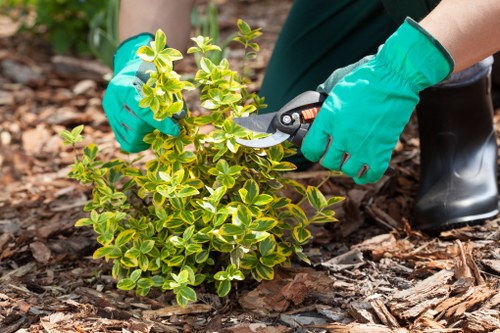 We are committed to maintaining a workplace culture where hazards are reported quickly and dealt with properly. Risk control measures are selected according to the task, the site, and the level of exposure. This policy applies to pruning, dismantling, stump work, site clearance, bracing, inspections, and all supporting activities carried out by tree surgeons Dalston clients may appoint.
Policy Objectives
The main objectives of this policy are to prevent injury, reduce property damage, and ensure legal and professional compliance. To achieve this, every job is planned in advance, all equipment is inspected before use, and only competent personnel are assigned to hazardous tasks. Safe practice must never be compromised for speed or convenience.
We expect all staff to cooperate fully with risk assessments, method statements, and site instructions. Where a task requires additional controls, work will not start until those controls are in place. This includes exclusion zones, traffic management, emergency access arrangements, and suitable weather monitoring. Good judgement is essential in every phase of arboricultural work.
 Our approach to health and safety also includes environmental awareness, public protection, and the prevention of nuisance. Tree surgery often takes place in busy or sensitive settings, so work areas must be kept orderly and clearly marked. Tools, branches, and waste materials must be controlled to avoid slips, trips, impact injuries, and obstruction.
Safe Working Practices
Planning and Risk Assessment
Every tree surgery project begins with a site-specific risk assessment. Hazards such as unstable trees, decayed timber, power lines, limited access, underground services, and falling debris are identified before work starts. Control measures are recorded and communicated so that every tree surgeon Dalston team member understands the plan.
Where necessary, a method statement will be prepared to describe the safest sequence of work. This may include access routes, climbing methods, lowering techniques, emergency procedures, and communication signals. If site conditions change, the assessment must be reviewed immediately. Adaptability is part of safe practice, not an optional extra.
Only trained and authorised personnel may operate equipment or supervise higher-risk operations. Apprentices or less experienced workers must be properly instructed and closely monitored. All personnel are expected to behave responsibly, remain fit for work, and avoid any activity that may impair concentration or judgement.
Equipment, PPE and Work at Height
All tools and machinery must be suitable for the task, properly maintained, and checked before use. Chainsaws, climbing gear, lowering devices, ladders, and rigging equipment are inspected in line with manufacturer guidance and workplace procedures. Faulty equipment is removed from service immediately and reported.
Personal protective equipment is mandatory where risks require it. Depending on the task, this may include helmets, eye protection, hearing protection, gloves, chainsaw trousers, and safety footwear. PPE must be worn correctly and kept in good condition. Tree surgery Dalston activities often involve elevated risk, so fall prevention and fall protection measures are treated with particular care.
Work at height is carried out only by competent operatives using approved methods. Anchor points, climbing systems, and rescue provisions must be checked before climbing begins. Lifting or lowering operations require clear communication and controlled positioning of personnel to prevent contact with falling timber or equipment.
Public Protection and Site Control
When work is carried out near the public, additional precautions are required to create a safe separation between the work zone and surrounding areas. Barriers, signage, and an appropriate exclusion zone must be established before cutting begins. Members of the public must not be allowed to enter the operational area.
Traffic-related risks are managed where work takes place near roads, driveways, or access points. In such cases, vehicle movement and pedestrian routes are considered as part of the planning process. A tree surgeon in Dalston must ensure that dropped material, equipment movement, and reversing vehicles do not create avoidable danger.
Noise, dust, and debris are controlled as far as reasonably practicable. Branches and timber are stacked safely, cut waste is cleared promptly, and the site is left in a tidy condition. This not only reduces hazards but also supports efficient and professional working practices.
Training, Welfare and Emergency Response
 Training is essential to maintaining a high standard of safety. Personnel receive instruction relevant to their duties, including climbing, cutting, rigging, equipment inspection, manual handling, and emergency response. Refresher training may be provided where practices, equipment, or regulations change.
Welfare arrangements are also important. Suitable breaks, access to drinking water, and rest periods should be provided where practical, especially in physically demanding or adverse weather conditions. Workers are expected to report fatigue, illness, or any condition that may affect safe performance without delay.
Emergency preparedness includes first aid provision, rescue capability, and clear communication procedures. In the event of an incident, work must stop immediately, the area must be made safe if possible, and assistance must be summoned according to the incident plan. Rapid response can reduce the severity of injury and limit further risk.
Review and Continuous Improvement
 This policy is reviewed regularly to ensure it remains effective, practical, and aligned with current best practice. Incidents, near misses, equipment issues, and operational changes are considered during review so that improvements can be made. Safety performance is not treated as a one-time exercise but as an ongoing commitment.
All employees and contractors are expected to contribute to continuous improvement by following procedures, reporting concerns, and supporting a positive safety culture. Where unsafe behaviour is identified, it will be corrected promptly. Consistent standards help every tree surgeon Dalston job proceed with professionalism and care.
By following this policy, we aim to deliver arboricultural work that protects people, property, and the environment while maintaining a reliable and responsible service. Health and safety are fundamental to every stage of tree surgery, and every operative is expected to uphold these principles at all times.